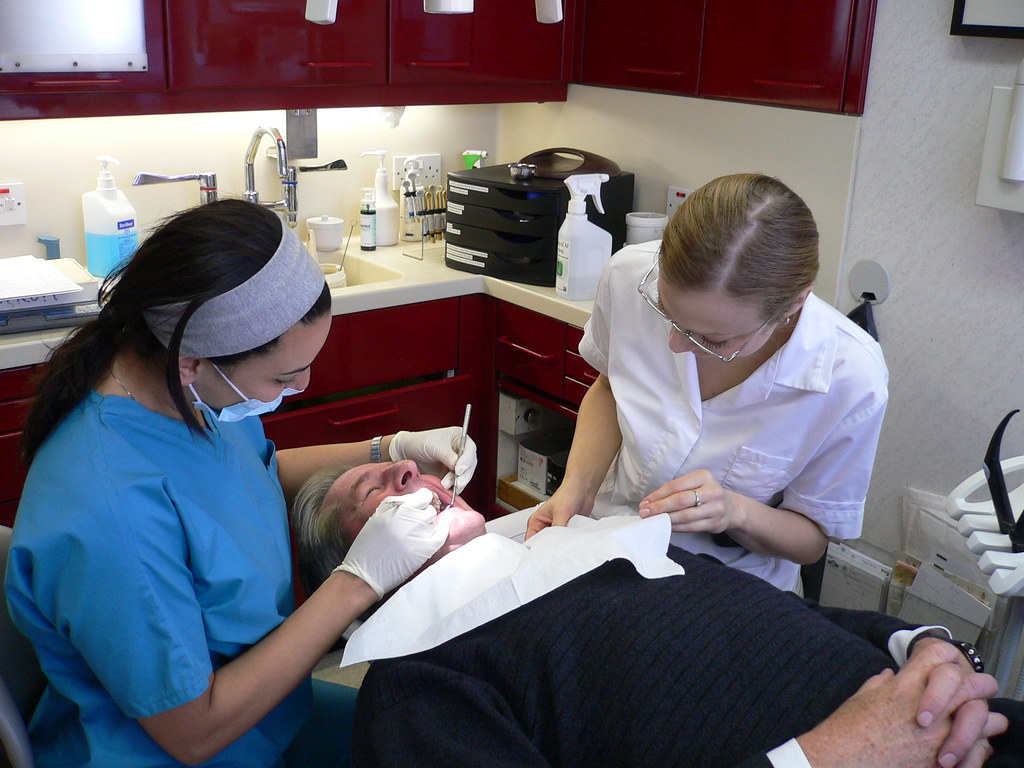
Understanding the intricacies of goodwill in the sale of a dental practice can significantly influence the decision-making process for dentists, dental associates, and investors alike. Goodwill is often regarded as an intangible asset, yet it plays a crucial role in determining the overall value of a dental practice. As its name suggests, goodwill encompasses the favorable reputation that a practice has built over time. This may include aspects such as patient loyalty, brand reputation, and strong referral networks—elements that ensure continued revenue and profitability.
When assessing goodwill, it's important to consider the practice's history and its standing in the community. A reputable practice with a loyal patient base might command a higher price due to the steady stream of income it promises the new owner. On the other hand, a practice in a more competitive area or one that has seen fluctuating patient numbers might warrant a lower goodwill valuation.
The valuation of goodwill is subjective and requires professional judgment. However, there are certain common approaches to quantifying this element. One such method involves analyzing the excess earnings the practice generates over and above the necessary threshold to cover all operating expenses, including a reasonable return on tangible assets. This excess, often deemed the "superprofit," contributes to the goodwill value.
Buyers and investors need to be keenly aware of the importance of retaining goodwill post-acquisition. This involves strategies such as ensuring a smooth transition with minimal disruption to patient care and potentially incentivizing previous owners or key staff to stay on temporarily, helping to maintain continuity.
Transition periods are pivotal in preserving goodwill. Potential buyers should consider negotiating a handover period where the previous dentist gradually reduces their involvement. This not only reassures incoming patients but also aids in upholding staff morale. Moreover, engagement with the local community through events or sponsorships can further solidify relationships and enhance goodwill.
In essence, while goodwill may not have a tangible form, its value holds significant weight in the valuation of dental practices. Understanding how to effectively assess and preserve goodwill can drive substantial returns for all involved parties in a dental practice sale.
Investors and dentists should prioritize engaging with professionals for guidance in this area since nuanced understanding and informed decisions are key to successful transactions.